


PictureThis - Plant Identifier
Glority Global Group Ltd.
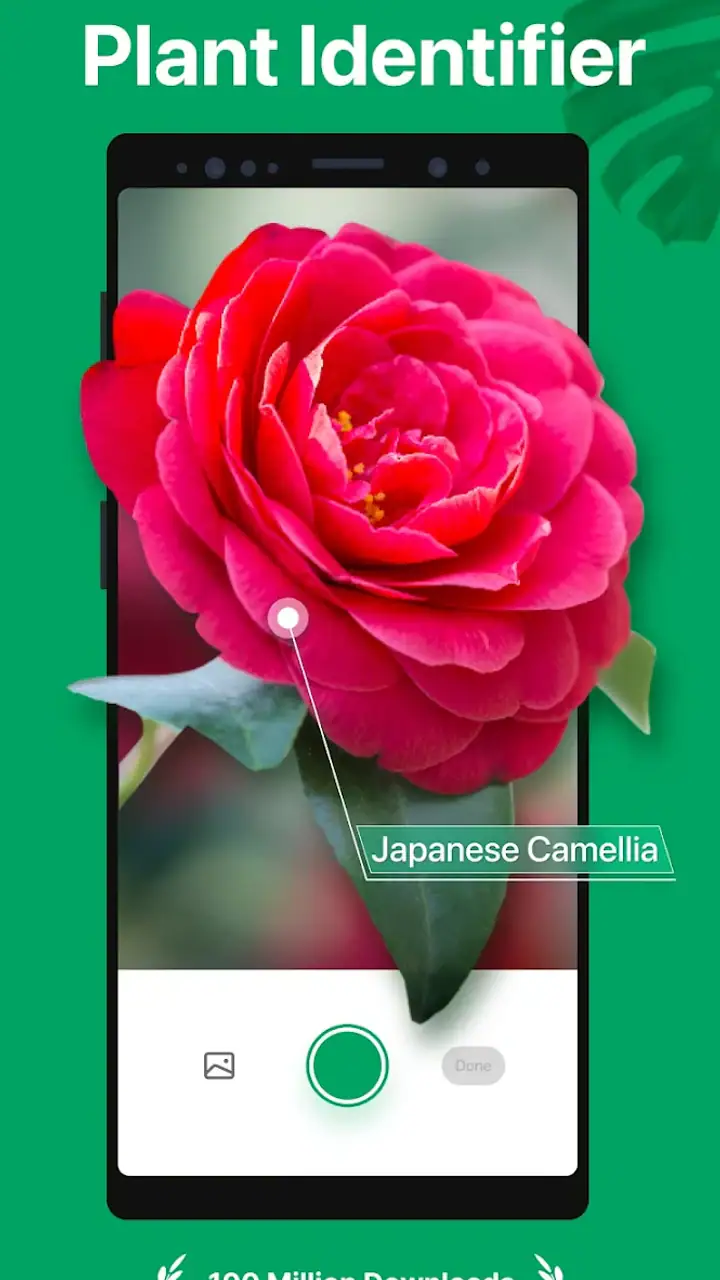
I have used PictureThis - Plant Identifier as a practical reference when I wanted to put a name to an unfamiliar plant, check a suspicious leaf, or understand what a houseplant might need next. It is an education app from Glority Global Group Ltd., but it feels less like a lesson-based course and more like a visual field guide that responds to the plant in front of you. You take a picture, review the result, and then use the information to decide what to do.
That simplicity is the main attraction, but it also creates the app’s biggest weakness: the quality of the answer depends heavily on the photograph and on how carefully I interpret the result. It is useful as a first step, not as an unquestionable authority. In my experience, the best results come when I treat the identification as a helpful lead and then inspect the plant, its growing conditions, and the symptoms myself.
Where users usually get stuck
The first point of friction is often not the plant itself but the image. A rushed photo taken from too far away, with several leaves overlapping, gives the app less to work with. A single damaged leaf can also be misleading because disease symptoms may resemble sun stress, overwatering, physical damage, or a normal change in older foliage. I get more dependable results when I photograph a healthy-looking section as well as the problem area.
Lighting matters too. Very dark rooms, strong backlighting, reflections on glossy leaves, and cluttered backgrounds can make a simple identification harder. I usually move the pot near soft daylight, hold the phone steady, and fill most of the frame with the plant or the relevant leaf. That small preparation is more valuable than taking several nearly identical pictures from the same poor angle.
Another place people can feel stuck is after the app produces an answer. Seeing a plant name is satisfying, but the name alone does not solve a care problem. A plant may be correctly identified while the diagnosis remains uncertain because several stresses look alike. I read the care guidance as a starting point, then compare it with the actual situation: how wet the soil is, how much light reaches the plant, whether the pot drains, and whether the damage is spreading.
Related News

Why WhatsApp Messenger Still Makes Everyday Communication Feel Easy

Jurassic World: The Game Is the Better Dino Tycoon for Strategic Players

Threads in Real Life: Who Should Join, Lurk, or Leave

How SHEIN Turned Shopping Into an Endless Content Feed

How to Make Fortnite Feel Smarter on Mobile

Should You Switch to Microsoft Outlook on Mobile?
The app’s disease-diagnosis function is especially easy to overtrust. A visual suggestion can help me notice a pattern I had missed, but I would not remove a plant, apply a treatment, or change its entire routine based on one image. For a valuable plant or a rapidly worsening problem, a local nursery, horticultural service, or experienced grower is a better second opinion.
There can also be confusion when an unfamiliar plant has several common names. PictureThis may help narrow down the identity, but common names vary between regions and shops. I pay attention to the full result rather than relying only on the first familiar word. This is one reason the app is more useful for organizing my research than for replacing it.
What I check before taking the first picture
I begin by cleaning the phone lens and choosing the most informative part of the plant. For a tree or outdoor shrub, that may be a leaf together with its arrangement on the branch. For a flowering plant, the bloom, leaves, and overall shape can each provide useful context. For a houseplant with spotted foliage, I take one close image of the spots and another showing the whole plant.
Gallery
I avoid photographing through glass or from behind a curtain. If the plant is outside, I try to avoid harsh midday glare. I also make sure the subject is not hidden by decorative moss, plant labels, or neighboring pots. These are simple habits, but they reduce the chance that the app is analyzing background details instead of the plant.
When I am checking a disease, I do not photograph only the worst-looking leaf. The most damaged tissue can be too degraded to reveal a clear pattern. A better workflow is to capture a moderately affected leaf, then compare it with a healthy one. I also note whether the issue appears on new growth, old growth, the underside of leaves, or several plants in the same area. That context helps me judge the result more sensibly.
PictureThis is free to install and is rated for Everyone, so it is approachable for casual users, families, and students. The current version is 5.20.0, and it runs on operating systems starting with version 9. The app has reached over 50 million installs, with an average rating of 4.6 from roughly 735 thousand ratings. Those figures suggest that its basic camera-led approach works for a very broad audience, although popularity does not remove the need for careful photos.
The free entry point is useful for trying the identification workflow before deciding whether it belongs in my regular gardening routine. In-app purchases range from $1.99 to $49.99 per item, so I would inspect any offer carefully rather than assuming every useful function is included without charge. I prefer to test the basic experience first and only consider payment if I know I will use the extra guidance frequently.
Setup checks that prevent avoidable problems
My first setup check is whether the camera view is actually showing the subject clearly. If the preview looks blurred, I pause instead of capturing immediately. I tap the plant area to help the phone focus, hold the device at a comfortable distance, and avoid moving while taking the picture. When the plant is tall, I take separate images rather than trying to squeeze the entire specimen into one tiny frame.
The second check is choosing the right subject. A photo of a decorative pot or a dense group of plants is less helpful than a clear image of one specimen. If multiple plants are in the same container, I isolate one at a time. This is particularly important when two species have similar leaves but different growth habits.
I also look at the result with a little skepticism when the plant is young, recently pruned, variegated, or badly stressed. Unusual colors and distorted leaves can make a familiar species look unfamiliar. In those cases, I take another image from a different angle and compare the suggestions rather than immediately accepting the first one.
For care guidance, I treat the plant’s environment as part of the setup. A recommendation that works for a bright windowsill may not suit a dim hallway. Likewise, watering advice cannot be separated from pot size, soil type, temperature, and drainage. The app can point me toward the relevant care topic, but I still have to translate that information to my own room or garden.
One practical tip is to keep a small record of what changed before symptoms appeared. I might note a move to a new window, a missed watering, repotting, a cold night, or a new fertilizer. When I return to the app’s guidance, that timeline helps me distinguish a likely environmental shock from a continuing disease problem. It also prevents me from making several drastic changes at once.
Recovering when a result does not look right
If the identification seems wrong, I do not keep repeating the same photograph. I change the composition. I try a clean leaf, include the flower if one is present, remove distracting objects from the background, and use more even light. For a tree or shrub, I may include a small portion of the stem and the overall leaf arrangement. The goal is to provide different visual evidence, not simply more copies of the first attempt.
If the app recognizes the plant but the disease suggestion feels implausible, I separate the two questions. First, I ask whether the plant identity makes sense. Then I inspect the symptom independently. Brown edges, yellow leaves, curling, and spots are not diagnoses by themselves. I check the soil moisture, the underside of leaves, nearby plants, and recent changes in care before deciding whether the issue deserves treatment.
A useful recovery workflow is to photograph the same plant over time. I can take one image now, make a modest care adjustment, and check again later rather than changing light, water, fertilizer, and soil simultaneously. This does not turn the app into a scientific monitoring tool, but it gives me a clearer personal record and makes the guidance easier to apply.
When the result is too broad or uncertain, I use the app as a vocabulary builder. The suggested plant name gives me terms to search in books, gardening groups, or local resources. This is one of its less obvious strengths: even an imperfect identification can help me ask a better question. It is often more productive than searching the web with a vague phrase such as “plant with brown dots.”
I would also avoid assuming that a diagnosis applies to every leaf. A plant can have more than one issue at the same time, such as old mechanical damage combined with dry air. If only one leaf is affected and new growth looks healthy, I watch the pattern before taking aggressive action. If the problem spreads quickly or affects stems and roots, I seek advice beyond the app.
When the app is not the cause of the trouble
Some apparent failures are really environmental. A camera cannot produce a useful visual answer if the subject is hidden, blurred, or poorly lit. Similarly, a care recommendation may seem ineffective because the plant is in a different situation from the one I imagined while reading it. The app can identify a species, but it cannot physically measure every condition affecting that plant.
There are also cases where a different tool is better. For a large garden collection, a spreadsheet or dedicated gardening journal may be more convenient for recording dates, locations, and routine tasks. For botanical study, a field guide with regional coverage can provide deeper descriptions and comparison details. For a serious disease outbreak, professional local advice is preferable because treatment depends on the plant, climate, and regulations as well as the visible symptom.
I would skip this app if I want a fully manual learning experience and prefer to identify plants through books, botanical keys, or observation alone. I would also be cautious about relying on it for rare specimens, legally protected plants, or decisions involving edible crops. In those situations, a visual suggestion is not enough reassurance.
It is a better fit for someone who regularly encounters unknown plants and wants a fast orientation. New plant owners can use it to learn the names of their collection, while parents or students can use the camera workflow to turn a walk into a simple identification exercise. Gardeners who forget care details may also appreciate having plant-specific guidance in one place, provided they still adapt it to local conditions.
Compared with a general image-search tool, PictureThis is more focused because the interaction begins with a plant rather than an open-ended search. Compared with a traditional field guide, it is faster and less demanding for beginners, but it cannot offer the same deliberate comparison process or regional expertise. Compared with a gardening journal, it is stronger at recognition and initial guidance but weaker as a personal long-term record. Those trade-offs explain where it fits: it is a convenient first layer between seeing a plant and understanding what to investigate next.
My practical verdict
I recommend PictureThis - Plant Identifier to anyone who wants quick help naming plants or making sense of a visible care issue. The experience is approachable, the education angle is practical, and the combination of identification, care guidance, and automatic disease analysis gives it more value than a simple plant-name lookup. I especially like it when I am standing in front of an unfamiliar plant and need a useful starting point immediately.
My main advice is to improve the input before judging the output. Use clear, well-lit photos; isolate one plant; include both healthy and affected areas; and repeat the capture from a genuinely different angle if the result looks doubtful. Then use the answer as a hypothesis. The most reliable workflow is identify, inspect, change one thing, and observe, rather than identify and begin several treatments at once.
The app is free to start, suitable for Everyone, and developed by Glority Global Group Ltd. Its broad reach and strong average rating make it an easy recommendation for casual plant owners, but I would not confuse that accessibility with professional diagnosis. The paid options may suit frequent users, while occasional users should first decide whether the included experience already covers their needs.
After using it, I see PictureThis as a helpful companion rather than a substitute for careful gardening. It saves time at the recognition stage, gives beginners useful language, and can reveal sensible next checks when a plant looks unhealthy. Its limits become manageable when I remember that a photograph shows symptoms, not the entire growing environment. For everyday plant curiosity and early troubleshooting, it earns a place on my phone; for high-stakes identification or complicated disease problems, I pair it with a more authoritative source.
FAQs for PictureThis - Plant Identifier
What is PictureThis - Plant Identifier and how does it work?
PictureThis - Plant Identifier is an app designed to help users identify plants instantly. By simply taking a photo of a plant, the app uses advanced AI technology to recognize and provide detailed information about the species. It offers insights such as plant care tips, growth conditions, and much more, making it a valuable tool for gardeners and plant enthusiasts.
Is PictureThis available for both Android and iOS devices?
Yes, PictureThis - Plant Identifier is accessible on both Android and iOS platforms. Users can download the app from the Google Play Store or the Apple App Store. It ensures a smooth and user-friendly experience across different devices, allowing plant identification on the go.
Does PictureThis require an internet connection to identify plants?
While PictureThis primarily utilizes an internet connection to access its extensive plant database and provide accurate identifications, some features may be accessible offline. However, for the best experience and most accurate results, an active internet connection is recommended.
Are there any subscription fees or in-app purchases involved?
PictureThis offers both free and premium features. While the basic plant identification is available for free, advanced features such as detailed plant care guides, disease diagnosis, and ad-free experience require a subscription. Users can explore the app with a free trial before deciding on a subscription.
How accurate is the plant identification feature in PictureThis?
PictureThis boasts a high accuracy rate due to its use of cutting-edge AI and a comprehensive plant database. While no app can guarantee 100% accuracy, PictureThis is continually updated to improve its identification capabilities. Feedback from users also helps refine its algorithms for better precision.
Pros
- Accurate plant identification results.
- User-friendly interface for all ages.
- Offline mode available for remote areas.
- Comprehensive care guides included.
- Frequent updates with new features.
Cons
- Limited features in free version.
- Requires internet for full database.
- Some ads in the free version.
- Occasional misidentification errors.
- Subscription can be pricey for some.


